
|
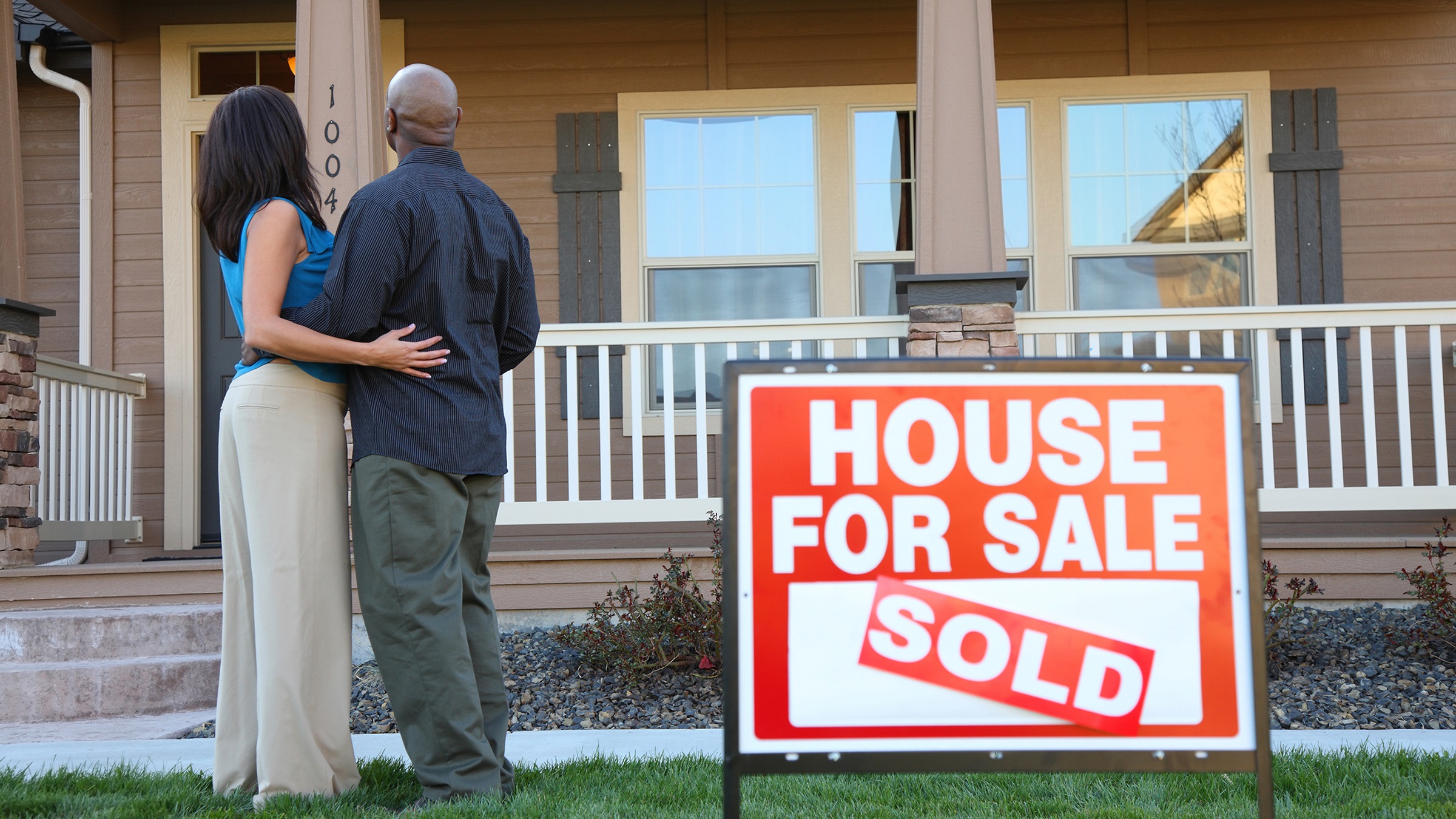
2015 turned out to be a remarkable year for home sellers, and 2016 was shaping up to be even stronger. With 5.26 million sales by December of 2015, the housing market was the most robust it had been since 2006. In fact, by early 2016, America's housing market had logged 43 straight months as a seller's market. Lawrence Yun, chief economist for the National Association of REALTORS (NAR), credits the heavy sales volume to "the prospect of higher mortgage rates in coming months and warm November and December weather." Planning to Sell This Year? Here's Why to Be Optimistic Strong buyer demand paired with shrinking inventories creates a seller's market and usually points to rising home prices. Many forecasters expect prices to keep climbing this year, though they caution the gains won't be as fast or as large as last year's. "The NAR is calling for a 4.4 percent increase in existing home prices this year and 3.4 percent in 2017; other economists and strategists also put 2016 price growth in the 4 percent to 5 percent range," says NAR's Adam DeSanctis. On top of that, the supply of available homes edged up slightly last month. Whether that points to a trend toward a more balanced market is still unclear. So yes, as clichéd as it sounds, the best time to sell your home is right now, while inventory is still low. If you're selling a home priced in the low-to-middle tier for your market, expect it to move quickly and fetch top dollar. You'll face little competition, and demand in this price range is strong, according to Shu Chen of CoreLogic. A market like this can make sellers complacent, but if you want top dollar and a quick sale, put in the work to make sure your home is in move-in condition. Thinking of Buying a Home This Year? It may feel like there's little for buyers to celebrate this year, but there is one clear perk: low interest rates. According to Freddie Mac's Primary Mortgage Market Survey, 30-year mortgage rates dropped in April 2016 to a national average of 3.59 percent, down from 3.65 percent a year earlier. Pair those low rates with more relaxed lending guidelines and 2016 buyers have real reason for optimism. Lower mortgage rates translate to a lower monthly payment, which boosts your purchasing power — and that extra power can "mean the difference between buying a 2-bedroom home versus a 3-bedroom one; between buying a home with large closets versus small closets; and, between buying an upgraded home versus a dated one," according to Dan Green at The Mortgage Reports. Here's another reason for excitement: the deep-pocketed all-cash investors appear to have exited the market. Last year, 33.9 percent of all home sales went to cash buyers, the lowest share since 2008, according to Molly Boesel with CoreLogic. Competition from other buyers is still strong for homes in good locations and decent condition, but the playing field has leveled somewhat. True, competition from other buyers remains strong. That makes it more important than ever to have everything in order before you make an offer. Know exactly how much you can spend and get a preapproval letter from your lender. Stand out from the pack by keeping your offer lean, with the shortest contingency periods possible. Since we're still in a seller's market, lead with your highest and best offer. The market is moving too fast right now to assume the seller will negotiate on price. Finally, if you've been waiting on the sidelines for prices to fall, it's time to act. Home prices are currently rising twice as fast as incomes, and that doesn't look likely to change anytime soon. |
Why the Housing Market Should Have You Excited
Jun 14, 2026
Market Trends